Love Valentine’s Stripe Font
As a small business owner, I’m always on the lookout for tools that can elevate my brand without requiring a huge investment. Recently, I stumbled upon Love Valentine’s Stripe—a unique color font that brought a fresh, romantic energy to my design projects. It wasn’t just another font; it felt like a creative partner that could help me express my brand’s personality with style and clarity.
A Practical Business Moment
I was working on updating my bakery’s packaging when I realized how much the right typography could transform the look of a product. The old labels were functional but lacked character. I wanted something that felt personal, elegant, and inviting—especially for seasonal items like Valentine’s Day treats. That’s when I tried Love Valentine’s Stripe.
What Makes Love Valentine’s Stripe Special
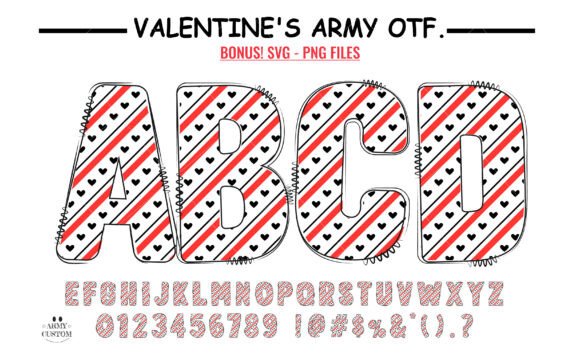
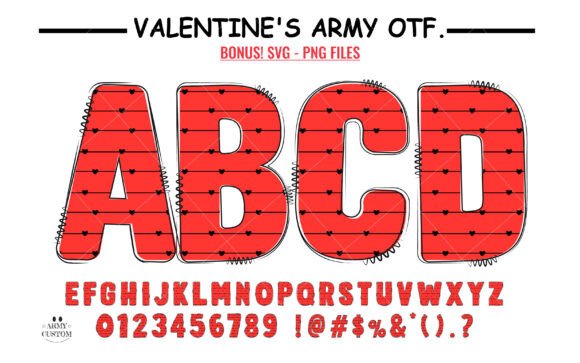
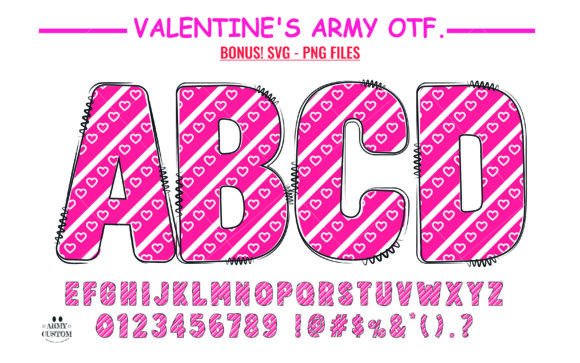
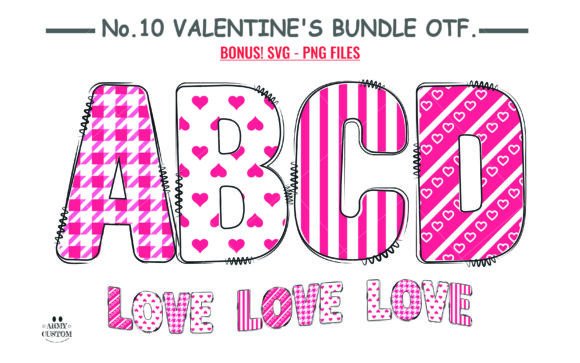
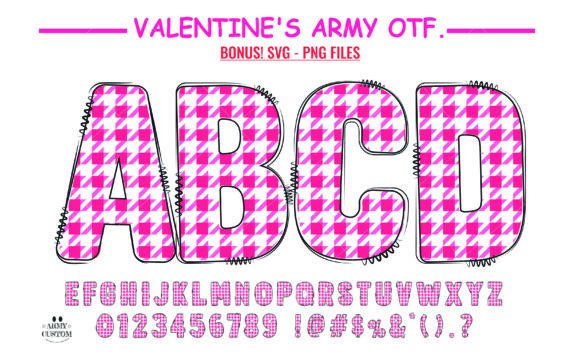
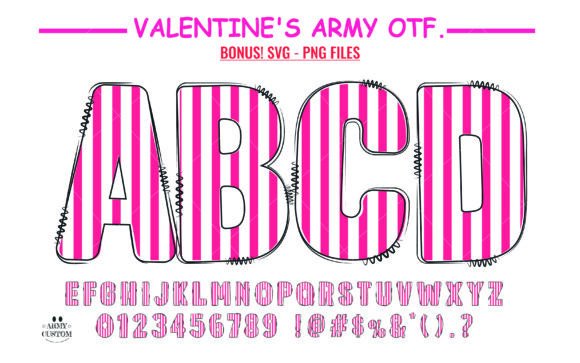
This font has a playful yet refined vibe. Its striped pattern adds a subtle texture that catches the eye without overwhelming the message. The color font feature allows for dynamic visual effects, making it ideal for logos, headlines, and decorative elements. It’s not just a typeface—it’s a statement. Whether used in a bold headline or as a soft accent, it brings a sense of warmth and creativity to any design.
Real-World Applications
I tested Love Valentine’s Stripe on several projects. For my bakery’s Valentine’s Day boxes, the font added a touch of whimsy while maintaining professionalism. On skincare labels, it gave a soft, approachable feel that complemented the product’s natural ingredients. Even on simple thank-you cards, it made the message feel more heartfelt and intentional.
It also worked well on social media graphics. When I used it for Instagram promotions, the font stood out in thumbnails, drawing attention without being too flashy. For my café’s menu refresh, it helped create a cohesive look that felt both modern and nostalgic.
Typography’s Impact on Branding
Typography is one of the most powerful tools in branding. It shapes how customers perceive a business—whether it’s trustworthy, creative, or reliable. Love Valentine’s Stripe strikes a balance between being eye-catching and easy to read. Its structure makes it suitable for headlines, logos, and short phrases, but it’s less ideal for long blocks of text.
For small businesses, consistency is key. Using a single, well-chosen font across all materials helps build recognition. Love Valentine’s Stripe offers a way to maintain that consistency while adding a unique flair that sets the brand apart.
Best Uses and Tips
Love Valentine’s Stripe shines in display applications. It works best for titles, headings, and decorative accents rather than body text. When using it on small labels or mobile screens, keep the text size generous to ensure readability. On printed packaging, it adds a tactile quality that feels more premium.
Pairing it with a clean sans serif font like Helvetica or a classic serif like Georgia can create a balanced look. For a more artistic touch, combine it with a script or handwritten font. Just make sure the combination doesn’t clash and maintains visual harmony.
Considerations Before Use
Before finalizing any project, I always check the font’s features. Love Valentine’s Stripe includes multiple styles, file formats, and language support, which is essential for businesses targeting diverse audiences. It’s also important to confirm the licensing terms, especially if the font will be used on products, merchandise, or client work.
When working with color fonts, test them on different backgrounds and devices to ensure they render correctly. Some platforms may not fully support color fonts, so having a backup option can be helpful.
Final Thoughts
Love Valentine’s Stripe is more than just a font—it’s a creative tool that can enhance a brand’s visual identity. Whether you’re updating packaging, designing a logo, or creating social media content, this font offers a way to add personality and polish without overcomplicating the design. For small businesses looking to stand out, it’s a smart choice that delivers both style and functionality.